Posted on

TICKS-OFF Releases 32-ounce Ready-To-Use Spray!!

Introducing a 32-ounce option for Ticks-Off spray.

Ticks-Off has been available in a concentrate (that comes with a FREE spray bottle!) as a means of keeping the shipping affordable. Yet, there are some customers who simply want one spray bottle, so Ticks-Off has honored customers wishes!

Keeping with an innovative approach to saving customers money on shipping – the ready-to-use 32-ounce spray bottle ships with only concentrate in the bottle ~ and the customer adds the water.  Why pay to ship water, right?! Ticks-Off proudly strives to keep shipping expenses economical, thus making it convenient to have Ticks-Off delivered directly to customers doorsteps.

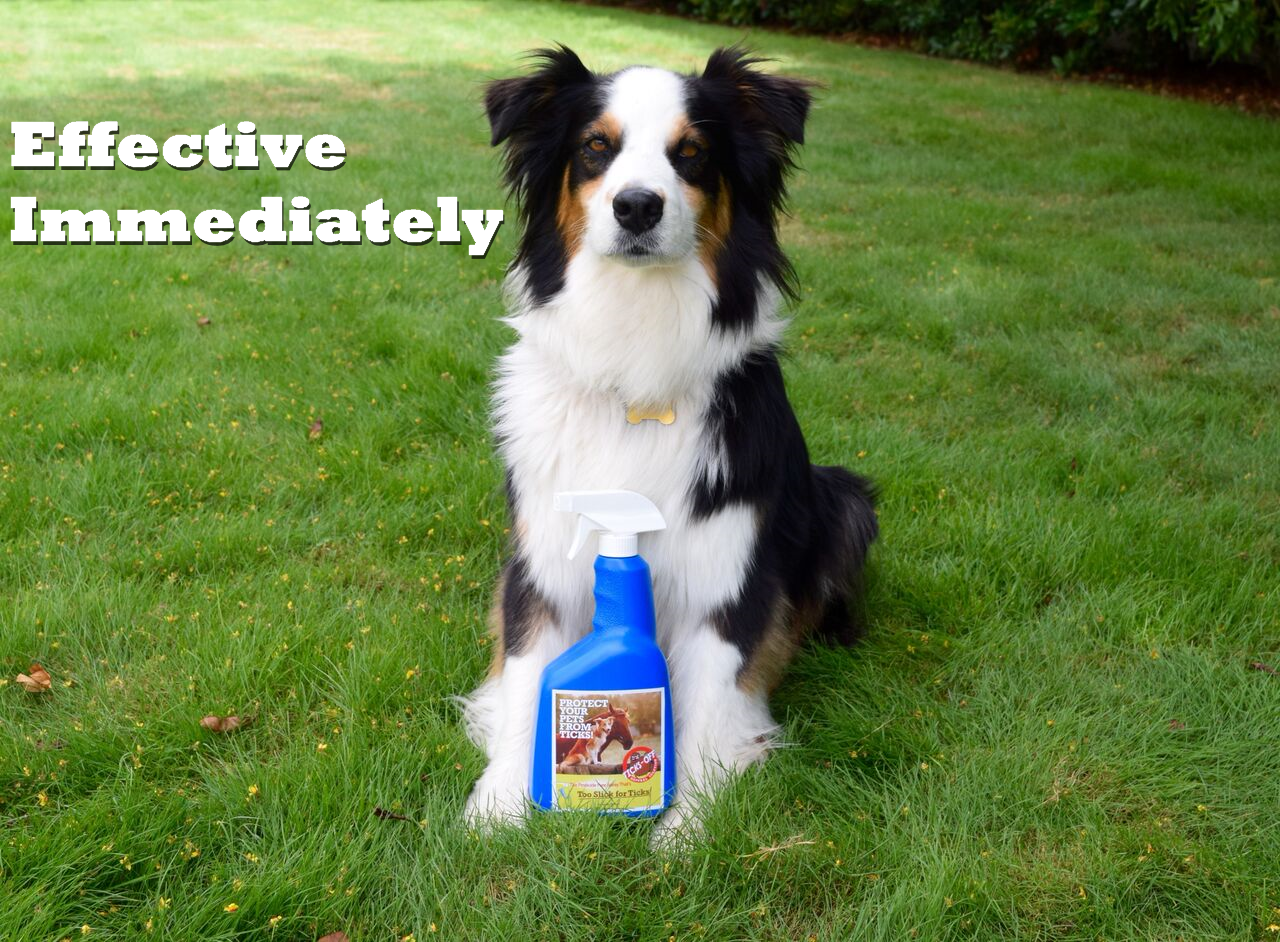
Ticks-Off, the first ever tick-deflective product for animals.ticks-off-dog

This innovative and sensible solution safely protects your pets from ticks by preventing them from latching onto the animal. Ticks-Off formula is unique from other tick products in that it is not designed to kill or chemically repel them with toxins. Instead, Ticks-Off spray literally prevents ticks from attaching onto your pets’ coat, effectively keeping the animal naturally safe and tick free.

Have you checked out our fun 3 minute video?

Continue reading TICKS-OFF Releases 32-ounce Ready-To-Use Spray!!
Posted on

Press Release – AHP

TICKS-OFF® Launches New Pesticide-Free Tick Deterrent for Horses & Dogs

TICKS-OFF Launches New Pesticide-Free Tick Deterrent For Horses & Dogs

TEHACHAPI, CA – September 2017 – Introducing TICKS-OFF, the first ever tick-deflective product for animals. This innovative and sensible solution safely protects your pets from ticks by preventing them from latching onto the animal. TICKS-OFF formula is unique from other tick products in that it is not designed to kill or chemically repel them with toxins. Instead, TICKS-OFF spray literally prevents ticks from attaching onto your pets’ coat, effectively keeping the animal naturally safe and tick free.

Continue reading Press Release – AHP

Posted on

Tick Borne Diseases Effecting Equines

Tick-Borne Diseases Effecting Equines:

Tick-borne diseases are becoming more common and unfortunately there are nearly 900 species of ticks. There are three (known) tick-borne diseases that effect equines.

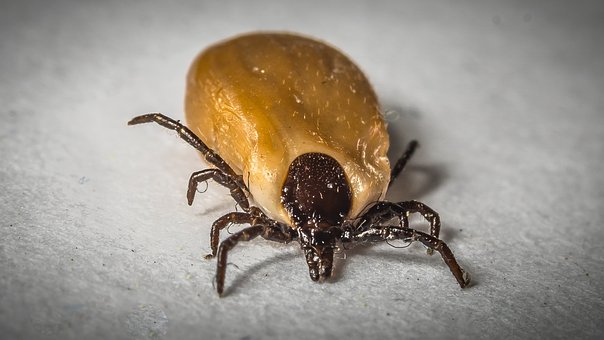
ticks-off-tick

Anaplasmosis:

(also called ehrlichiosis, tick-borne fever, and pasture fever) is caused by anaplasma phagocytophilum,. This disease effects horses, cattle, dogs, humans, and other mammals.

Anaplasmosis is the tick-transmitted disease that most commonly causes illness in horses. These bacteria live inside certain blood cells (granulocytes).

In horses clinical signs usually appear 10-45 days after infection. Fever is typically accompanied by limb swelling and the appearance of small hemorrhages on the mucous membranes of the nose, mouth, eyes, or vulva.

Continue reading Tick Borne Diseases Effecting Equines

Posted on

Ticks Lurking Everywhere:

Where Are Ticks Lurking…?

Ticks seem to be everywhere!

Simply riding through lush grass or a wooded area can result in many ticks on your horse and yourself.

In regions with moderate or cold climates (Europe and North America) ticks are commonly found in forests and woods, on wildlife and livestock alike.

They thrive in protective layers of vegetation and tall grasses. Keeping pastures mowed to prevent excessively tall grass and clearing brush from around fence lines is highly recommended.

Continue reading Ticks Lurking Everywhere:

Posted on

Ticks – Be Defensive!

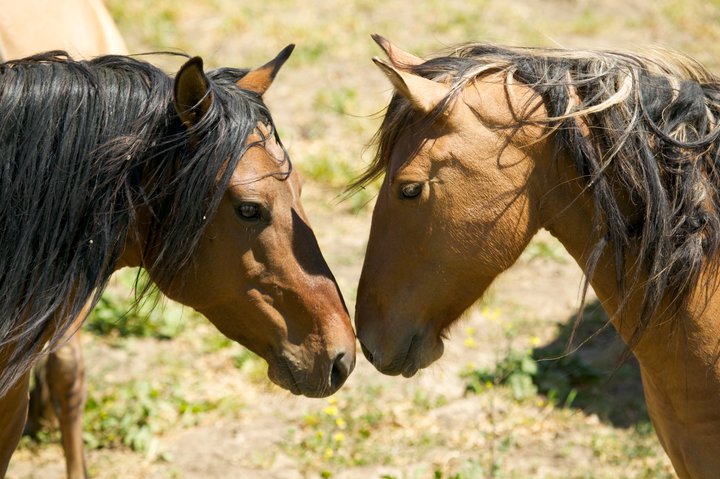
mustangs-kissing-rescues

Develop a Defensive Strategy

Since at this time there are no vaccines labeled for use in horses for tick-borne diseases, protecting your horses from ticks is your best (and only) defense.

One of the first things you should know is that ticks are not just warm weather creatures. These horrid creatures can even survive in winter.

There is even one species called the “winter tick” that is only on horses during the cold seasons, even during sub-zero weather, who then spends the summer away from animals.

Tick prevention and management must be set upon with a level of vigilance.

Continue reading Ticks – Be Defensive!